How to Pass Guard in BJJ: The Missing Skill Most Blue Belts Overlook
 Chasen Hill
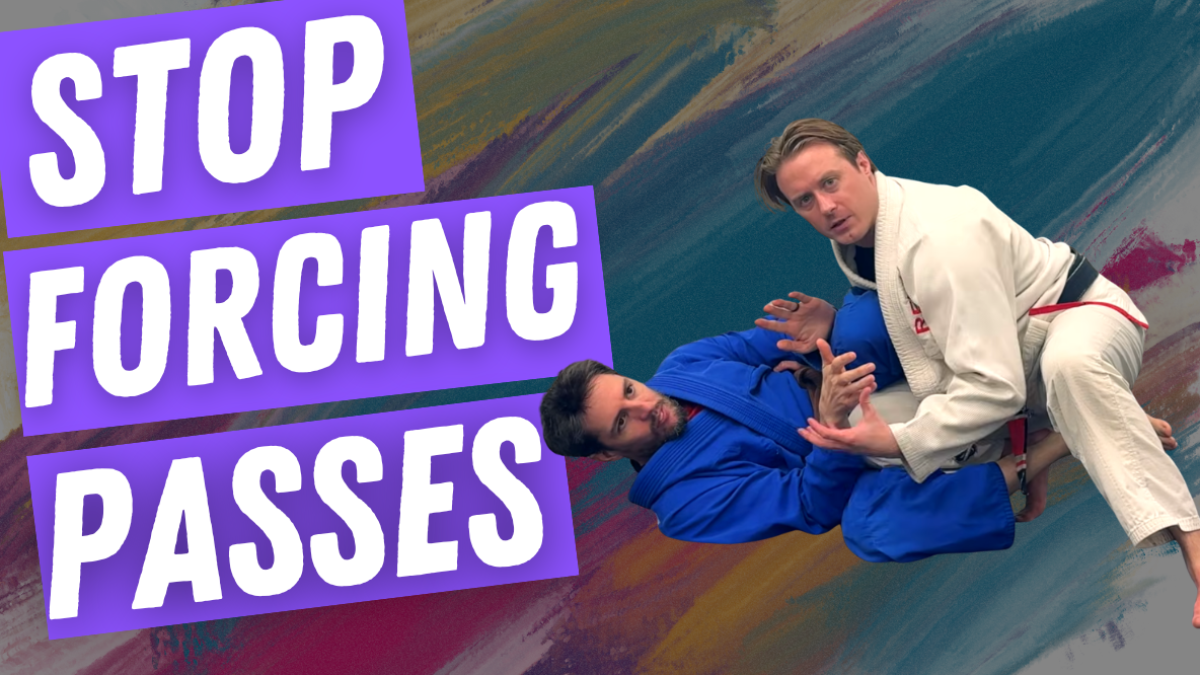
Struggling with guard passing in BJJ? Learn the key concept that separates blue belts from purple belts and how to connect passes for success.
If you're trying to figure out how to pass guard in BJJ, chances are you've run into the same problem most people do. You learn a pass like the knee cut, it works sometimes, and then suddenly it stops working altogether.
It feels inconsistent. Frustrating. Like you're missing something.
The reality is, you're not missing more techniques. You're missing a way to connect the ones you already know.
Why Guard Passing Feels So Difficult
Guard passing in Brazilian Jiu-Jitsu is different from most other parts of the game. You're not just executing a move. You're dealing with someone actively using their legs, frames, and movement to constantly disrupt you.
This is why so many people struggle with BJJ guard passing. You can hit a clean pass on one training partner, then feel completely stuck against another using the same technique.
It's not because the technique is wrong. It's because you're trying to force a single solution.
The Mistake Most Blue Belts Make
Most blue belts approach guard passing like this:
- Pick a pass (usually a knee cut pass)
- Try to force it
- Get blocked
- Reset and try again
This creates a cycle where you feel like you're always fighting but never progressing.
If you've ever felt like you're "stuck in someone's guard," this is usually why.
This same pattern shows up in other areas too. If you haven’t read it yet, this ties directly into why most BJJ blue belts stop improving.
The Shift: Connecting Guard Passes
The real skill behind effective guard passing isn't finding the perfect move. It's learning how to connect multiple passes together.
Instead of asking:
"How do I finish this pass?"
You start asking:
"If this gets shut down, what does it lead to next?"
This is the shift that separates blue belts from purple belts in BJJ.
Example: Knee Cut to Toreando Pass
Let’s take a common situation.
You go for a knee cut pass. Your opponent frames and blocks your forward pressure.
Most people will keep trying to force the knee cut.
A better approach is to recognize the resistance and switch directions.
This is where a toreando pass becomes useful. Instead of going through the legs, you move around them.
If they react by bringing their legs back inside, that reaction now creates the opening for your knee cut again.
Now you're not forcing a pass. You're creating a sequence.
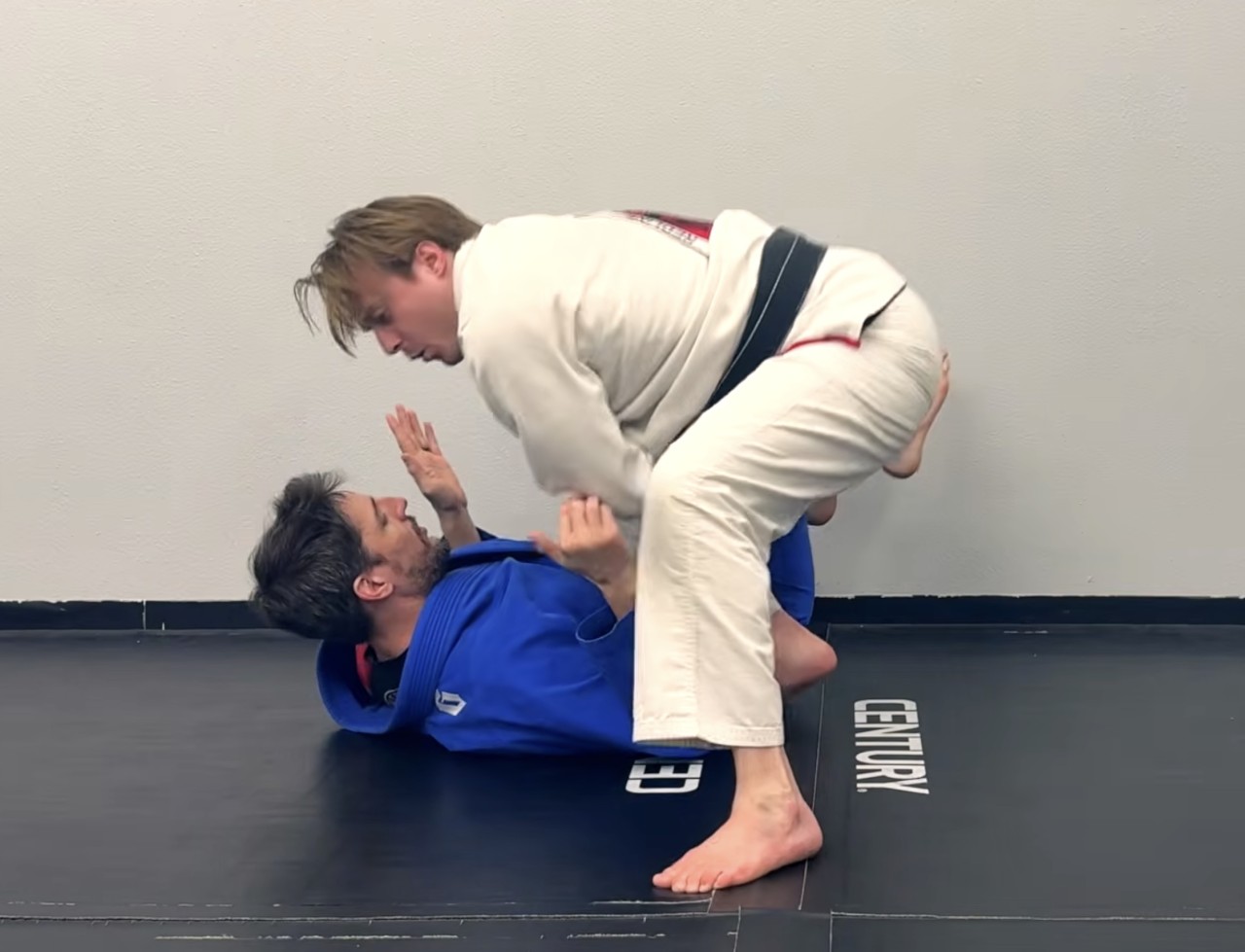
Here’s exactly what this looks like step-by-step:
Step-by-Step: Knee Cut to Toreando Transition
Step 1: Your opponent frames and blocks your forward pressure, stopping the knee cut.
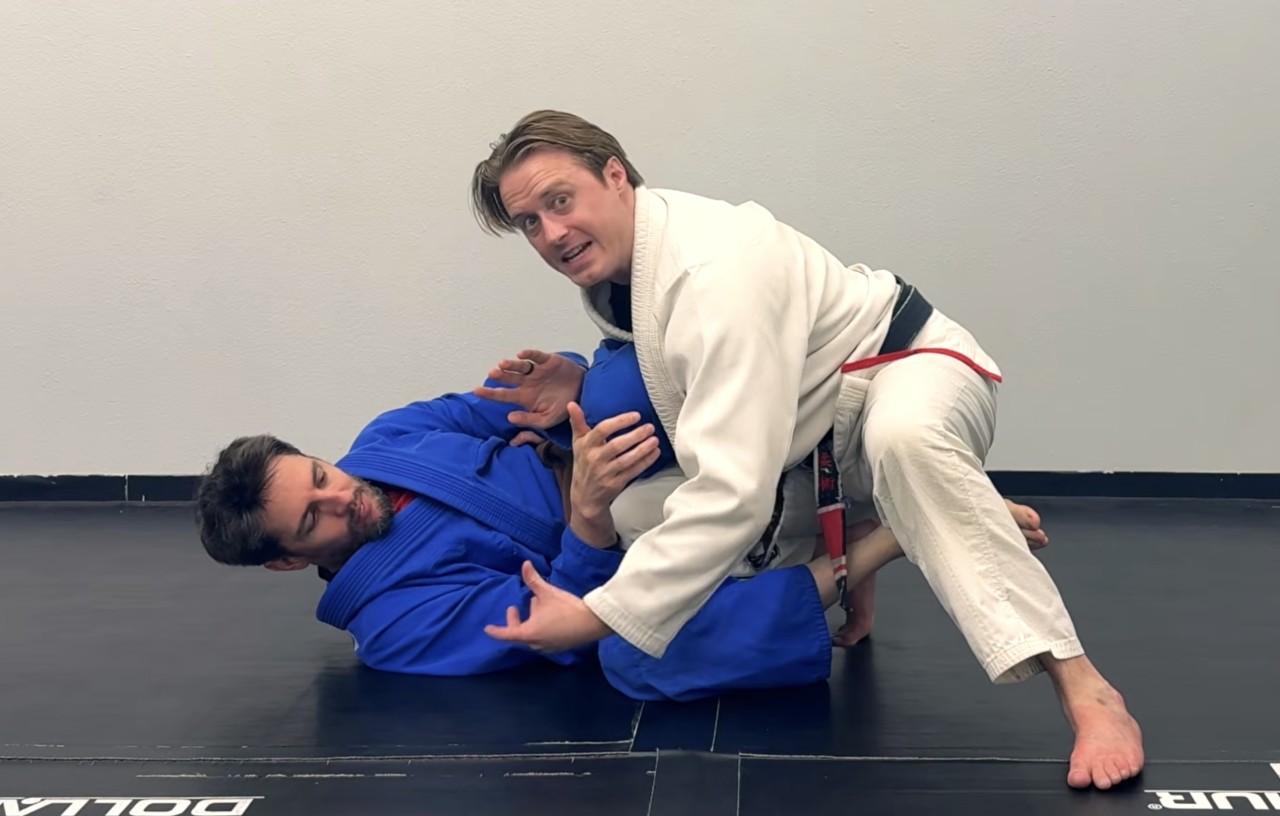
Step 2: Instead of forcing the pass, you redirect by squaring your opponent's hips.
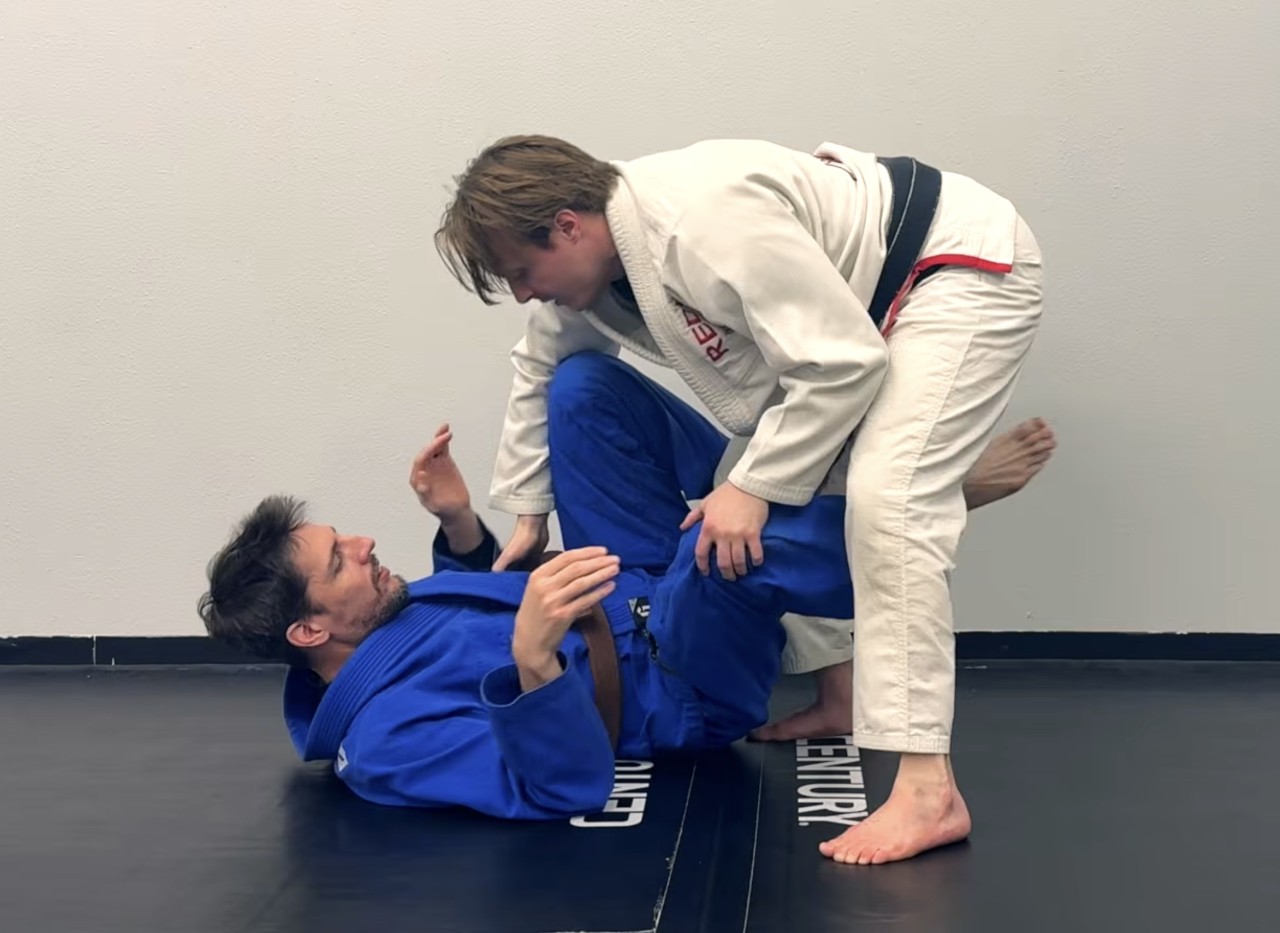
Step 3: Kick your knee-cutting leg high and out of reach of your opponent's legs.
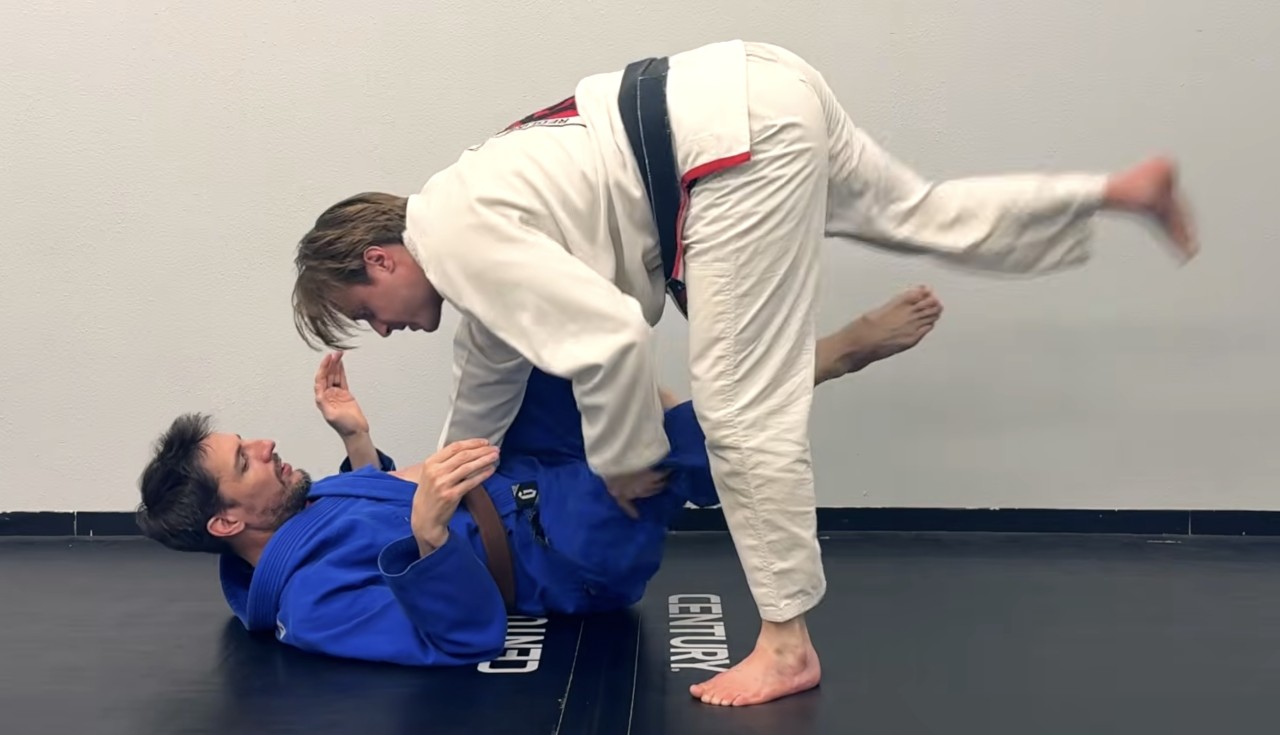
Step 4: Finish in a knee-on-belly style of position to solidify the pass fully.
The Two Core Guard Passing Strategies
At a high level, most guard passing in BJJ falls into two categories:
- Passing through the legs (knee cut, headquarters position)
- Passing around the legs (toreando, double under)
The key is learning how these two approaches connect.
When one path gets blocked, it naturally opens the other.
This is where guard passing starts to feel less chaotic and more structured.
Stop Forcing, Start Reading
If you want to get better at guard passing, stop thinking in terms of individual techniques.
Start thinking in terms of reactions.
- If they frame → switch direction
- If they stay tight → go around
- If they open space → go through
This is how you build a real BJJ passing system.
How This Connects to Your Overall Game
This idea of connection isn't just for guard passing.
It's the same reason why many people struggle with consistency across their entire game.
If your training feels scattered, this is worth reading next:
- BJJ Drilling vs Sparring: Which To Focus On
- Best Guard for Blue Belts in BJJ
- Why Jiu-Jitsu Takes So Long To Get Good At
Want Help Structuring Your Game?
If you're tired of guessing what to work on and want a clear plan for improving faster, that's exactly what I help with inside my coaching program.
I assess your current game, identify your biggest gaps, and help you build a structured approach so your training actually leads somewhere.
You can learn more about that here:
Final Thought
If your guard passing feels stuck, it’s probably not because you need more techniques.
It’s because you haven’t learned how to connect the ones you already have.
That’s the skill that changes everything.
Categories: : Bottom Jiu-Jitsu Library, Top Jiu-Jitsu Library, Sweeps, Purple Belt